Noises that Might Come from your Vehicle
 Noises can indicate a sign of an issues.Understanding what these sounds mean can be crucial for diagnosing potential issues and ensuring the vehicle’s health and safety. From subtle clicks to alarming screeches, each noise may indicate a specific problem that requires attention. Here are some common car noises and their potential meanings:
- Squealing or Screeching Brakes: If you hear a high-pitched squealing or screeching sound when you apply the brakes, it could indicate that the brake pads have worn down. Brake pads are equipped with small metal indicators that create this noise when they come into contact with the brake rotors. Ignoring this sound can lead to further damage, such as scoring the rotors, which could result in more expensive repairs. Promptly replacing the brake pads will not only prevent damage but also ensure your vehicle’s braking system functions safely.
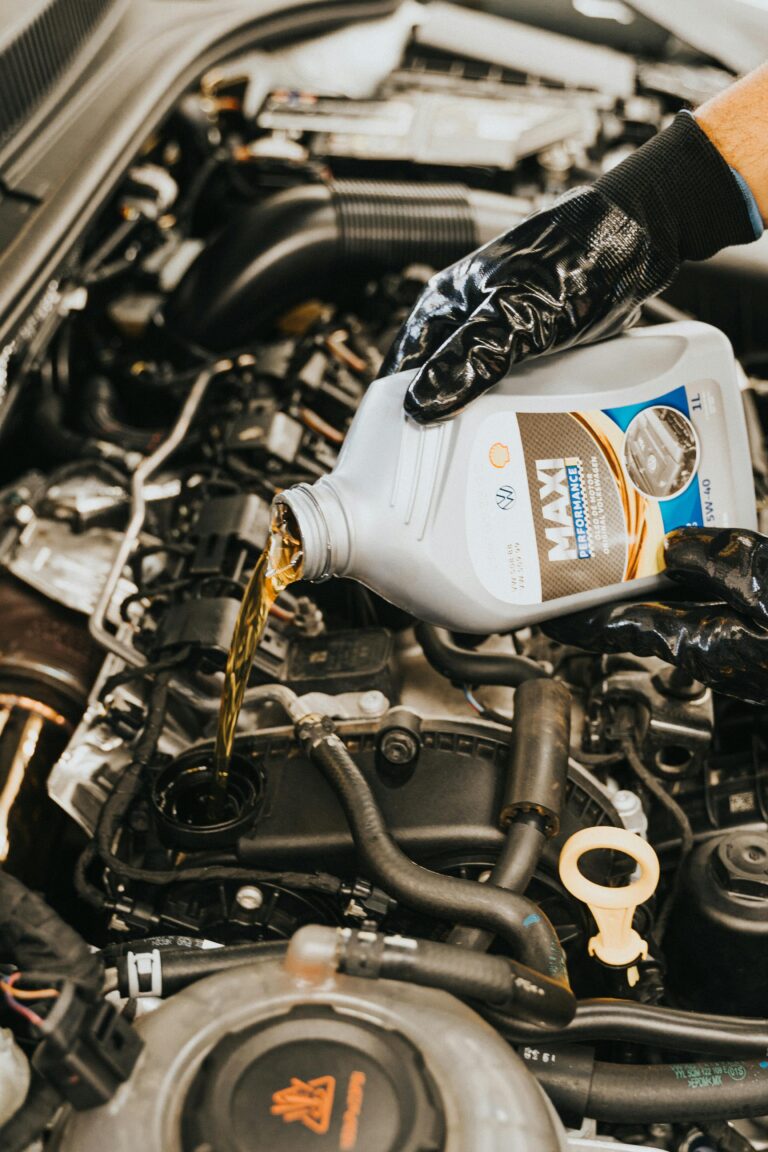
- Clicking from the Engine: A repetitive clicking sound coming from the engine could be a sign of low oil levels or inadequate oil pressure. When engine parts lack proper lubrication, they can create this noise as they rub against each other. This noise may also indicate issues with the engine’s valves or lifters. Regularly checking your engine oil levels and having timely oil changes can prevent such problems and keep your engine running smoothly.
- Knocking or Banging from the Engine: A loud knocking or banging noise from the engine may indicate a more serious problem, such as engine detonation or piston slap. Engine detonation occurs when the air-fuel mixture in the cylinder ignites prematurely, leading to a knocking sound. Piston slap, on the other hand, is caused by excessive clearance between the piston and cylinder walls, resulting in a slapping noise during engine operation. Both of these issues can cause significant engine damage if not addressed promptly. Consulting a qualified mechanic to diagnose the problem accurately is essential to avoid further harm.
- Grinding or Whining Sounds: These noises can come from various components like the transmission, steering system, or suspension. A grinding sound when shifting gears may indicate transmission issues, such as worn-out parts or a failing clutch. A whining noise from the steering system could signal low power steering fluid or a worn power steering pump. Grinding or clunking sounds from the suspension may be due to worn-out bushings or ball joints. Identifying the specific source of the noise and addressing it promptly through professional inspection and repair can prevent further damage and ensure a smooth and safe driving experience.
In conclusion, understanding the different noises your car makes can be a valuable tool for diagnosing potential problems and taking appropriate action to maintain its health and safety. Squealing brakes, clicking engines, knocking or banging sounds, and grinding or whining noises can all indicate specific issues that require attention. Regular maintenance checks and timely repairs by a qualified mechanic can help prevent more extensive damage and keep your car running smoothly and reliably for years to come. Listening to your car and responding promptly to any unusual noises will contribute to a safer and more enjoyable driving experience.