The Shocking Truth About Potholes and What They Do to Your Wheel Alignment and Suspension
If you drive in Minnesota, potholes are unavoidable. Winter freeze-thaw cycles, heavy traffic, and road salt create perfect conditions for pavement damage. While a pothole may look like a simple road nuisance, hitting one can cause serious damage to your vehicle’s wheel alignment and suspension system.
Many drivers don’t realize that even a single hard impact can shift alignment angles, bend suspension components, or weaken steering parts. Left unaddressed, these issues can lead to uneven tire wear, poor handling, and costly repairs.
In this guide, we’ll explain how potholes affect wheel alignment and suspension, the warning signs to watch for, and why timely professional repairs are essential.
Why Potholes Are So Damaging
Potholes form when water seeps into cracks in the pavement. As temperatures drop, the water freezes and expands. When it thaws, the pavement weakens. Repeated cycles eventually cause chunks of asphalt to break away.
When your vehicle hits a pothole, the impact force travels directly through the tire into the wheel assembly and suspension components. Depending on speed and depth, this sudden jolt can:
-
Knock wheels out of alignment
-
Bend suspension arms
-
Damage shocks and struts
-
Crack rims
-
Loosen steering components
Because wheel alignment and suspension systems are designed for controlled motion—not sudden vertical impacts—potholes create stress they weren’t meant to absorb repeatedly.
How Potholes Affect Wheel Alignment
Wheel alignment refers to the precise angles at which your wheels meet the road. Proper alignment ensures:
-
Even tire wear
-
Straight tracking
-
Stable steering
-
Improved fuel efficiency
There are three main alignment angles:
-
Camber – the inward or outward tilt of the tire
-
Toe – the angle at which tires point inward or outward
-
Caster – the steering axis angle that affects stability
When you hit a pothole, these angles can shift. Even a slight misalignment can cause your vehicle to pull to one side or wear down tires unevenly.
Signs Your Wheel Alignment Has Been Affected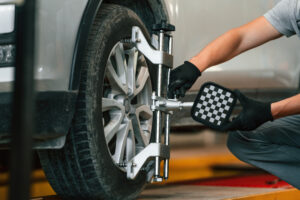
After hitting a pothole, watch for:
-
Steering wheel off-center while driving straight
-
Vehicle pulling left or right
-
Uneven or rapid tire wear
-
Vibrations at highway speeds
-
Reduced fuel efficiency
If you notice any of these symptoms, your wheel alignment and suspension should be inspected as soon as possible.
How Potholes Damage Suspension Components
Your suspension system absorbs shock and keeps your tires in contact with the road. Key components include:
-
Shocks and struts
-
Springs
-
Control arms
-
Ball joints
-
Bushings
-
Sway bars
When you hit a pothole, the force compresses these parts abruptly. Over time—or with one severe hit—this can lead to:
Bent Control Arms
These connect the wheels to the vehicle frame. If bent, they can cause alignment issues and unstable handling.
Worn or Damaged Ball Joints
Ball joints allow smooth steering and suspension movement. Damage may create clunking sounds and loose steering feel.
Blown Shocks or Struts
Shocks and struts control rebound after compression. A hard pothole impact can cause leaks or internal damage, leading to excessive bouncing.
Damaged Springs
Coil springs may crack or weaken, affecting ride height and balance.
Because wheel alignment and suspension systems work together, suspension damage almost always affects alignment accuracy.
Steering System Impact
Potholes can also damage tie rods and steering linkages. These components are responsible for transferring steering wheel movement to the wheels.
If tie rods become bent or loose, you may notice:
-
Delayed steering response
-
Clunking when turning
-
Difficulty maintaining control
Ignoring these signs can result in more severe steering failure.
Why You Shouldn’t Ignore Minor Symptoms
Many drivers assume a small vibration or slight pull is harmless. However, driving with misaligned wheels or damaged suspension accelerates wear on other components.
Tire Damage
Misalignment causes uneven tread wear, shortening tire lifespan significantly.
Increased Brake Wear
A compromised suspension system changes weight distribution during braking, putting added stress on brake components.
Higher Fuel Costs
Misaligned wheels create rolling resistance, which reduces fuel efficiency.
Escalating Repair Costs
What starts as a minor alignment adjustment can turn into full suspension replacement if ignored.
Prompt inspection of your wheel alignment and suspension after hitting a pothole can prevent long-term damage.
How Professionals Diagnose Pothole Damage
A professional inspection includes:
Alignment Measurement
Technicians use computerized alignment machines to measure camber, toe, and caster angles.
Suspension Component Inspection
Each suspension part is visually and physically inspected for bending, cracking, or looseness.
Steering Evaluation
Tie rods, steering rack, and linkages are checked for play or damage.
Tire Assessment
Uneven wear patterns can confirm alignment shifts.
Because pothole damage is not always visible from the outside, a thorough diagnostic process is essential.
How Repairs Are Performed
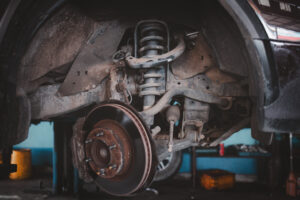 Depending on the severity of damage, repairs may include:
-
Wheel alignment adjustment
-
Replacement of bent control arms
-
New shocks or struts
-
Ball joint replacement
-
Tie rod replacement
-
Wheel or rim repair
After repairs, technicians recheck alignment specifications to ensure the vehicle drives straight and stable.
Restoring wheel alignment and suspension ensures proper handling, safety, and tire longevity.
Preventing Pothole Damage
While you cannot avoid every pothole, you can reduce risk by:
-
Maintaining proper tire pressure
-
Slowing down on rough roads
-
Leaving extra space behind other vehicles
-
Avoiding puddles (which may hide potholes)
-
Keeping suspension components inspected annually
Routine maintenance makes your vehicle more resilient to road hazards.
Seasonal Considerations in Minnesota
Minnesota winters are particularly harsh on roadways. Freeze-thaw cycles create ideal conditions for pothole formation. Spring often brings the highest concentration of road damage.
This makes late winter and early spring the most important times to schedule a wheel alignment and suspension inspection. Catching issues early prevents them from worsening through summer driving.
How Often Should You Check Alignment and Suspension?
Even without visible damage, experts recommend:
-
Alignment checks once per year
-
Suspension inspections every 12,000–15,000 miles
-
Immediate inspection after a major pothole impact
If you drive frequently on rough roads, more frequent checks may be necessary.
Long-Term Benefits of Proper Wheel Alignment and Suspension Care
Investing in regular maintenance offers several benefits:
-
Improved safety and control
-
Extended tire lifespan
-
Better fuel economy
-
Smoother ride quality
-
Lower long-term repair costs
Wheel alignment and suspension systems are foundational to vehicle stability. When they function properly, every other system performs better.
When to Seek Immediate Service
Seek professional help right away if you experience:
-
Severe steering pull
-
Loud clunking noises
-
Steering wheel vibration at all speeds
-
Vehicle leaning to one side
-
Tire sidewall damage
-
Difficulty controlling the vehicle
Driving under these conditions can be unsafe.
Conclusion
Potholes may seem like a minor inconvenience, but they can cause serious damage to your wheel alignment and suspension system. Even one hard impact can shift alignment angles, strain steering components, or weaken suspension parts. Addressing these issues early helps protect your tires, improve handling, and prevent more expensive repairs down the road.
If you’ve recently hit a pothole or noticed signs of misalignment or suspension trouble, don’t wait. Schedule your service here at our Roseville location or schedule your service here at our Arden Hills location to have your wheel alignment and suspension professionally inspected. Our experienced technicians are ready to restore your vehicle’s stability, safety, and smooth ride so you can drive with confidence.
Further Reading
Federal Highway Administration – Pavement and Pothole Information
https://highways.dot.gov
National Highway Traffic Safety Administration – Vehicle Safety Maintenance
https://www.nhtsa.gov
Car Care Council – Suspension and Alignment Maintenance
https://www.carcare.org