The Ultimate Guide to How Often Should You Change Your Oil and Why It Matters
When it comes to keeping your vehicle running smoothly, few things are as important as regular oil changes. Yet one of the most common questions drivers ask is: how often should you change your oil? The answer isn’t as simple as it used to be, and relying on outdated advice could either cost you money or shorten the life of your engine.
In this guide, we’ll break down everything you need to know about how often should you change your oil, what factors affect your interval, and how to make the best decision for your specific vehicle and driving habits.
Why Oil Changes Matter More Than You Think
Engine oil plays a critical role in your vehicle’s performance and longevity. It does much more than just lubricate moving parts.
Your oil:
- Reduces friction between engine components
- Helps regulate engine temperature
- Prevents buildup of sludge and deposits
- Protects against wear and corrosion
Over time, oil breaks down and becomes contaminated with dirt, debris, and combustion byproducts. When this happens, it can no longer do its job effectively. That’s why understanding how often should you change your oil is essential to avoiding costly repairs down the road.
The Old Rule vs. Modern Reality
You’ve probably heard the traditional rule: change your oil every 3,000 miles. While that was once standard, modern engines and oil formulations have come a long way.
Today, most vehicles can go:
- 5,000 to 7,500 miles with conventional oil
- 7,500 to 10,000+ miles with synthetic oil
Some newer vehicles even recommend oil changes as far apart as 12,000 miles under ideal conditions.
So when asking how often should you change your oil, the real answer is: it depends.
Key Factors That Affect Oil Change Frequency
To determine how often should you change your oil, you need to consider how and where you drive.
1. Driving Habits
Frequent short trips, stop-and-go traffic, and idling can all shorten oil life. These conditions prevent your engine from reaching optimal operating temperature, leading to faster contamination.
If most of your driving looks like this, you’ll likely need more frequent oil changes.
2. Climate Conditions
Living in an area with extreme temperatures—especially cold winters or hot summers—can impact how your engine performs and how quickly oil breaks down.
Cold starts are particularly hard on your engine, which means drivers in colder climates should pay closer attention to how often should you change your oil.
 3. Type of Oil Used
Not all oils are created equal.
- Conventional oil breaks down faster
- Synthetic oil lasts longer and performs better under stress
- Synthetic blends offer a middle ground
If you’re using synthetic oil, you can typically extend the interval between changes. However, it’s still important to follow your manufacturer’s recommendations.
4. Vehicle Age and Condition
Older vehicles or those with higher mileage may require more frequent oil changes. Engines that have wear or minor leaks can contaminate oil more quickly.
If your car has over 100,000 miles, your mechanic may recommend a shorter interval when considering how often should you change your oil.
5. Manufacturer Recommendations
The best place to start is always your owner’s manual. Automakers design engines with specific maintenance schedules in mind.
Many newer vehicles also come equipped with oil life monitoring systems that calculate when your oil needs to be changed based on real driving conditions.
Signs You May Need an Oil Change Sooner
Even if you’re following a schedule, your car may give you warning signs that it’s time for fresh oil.
Watch for:
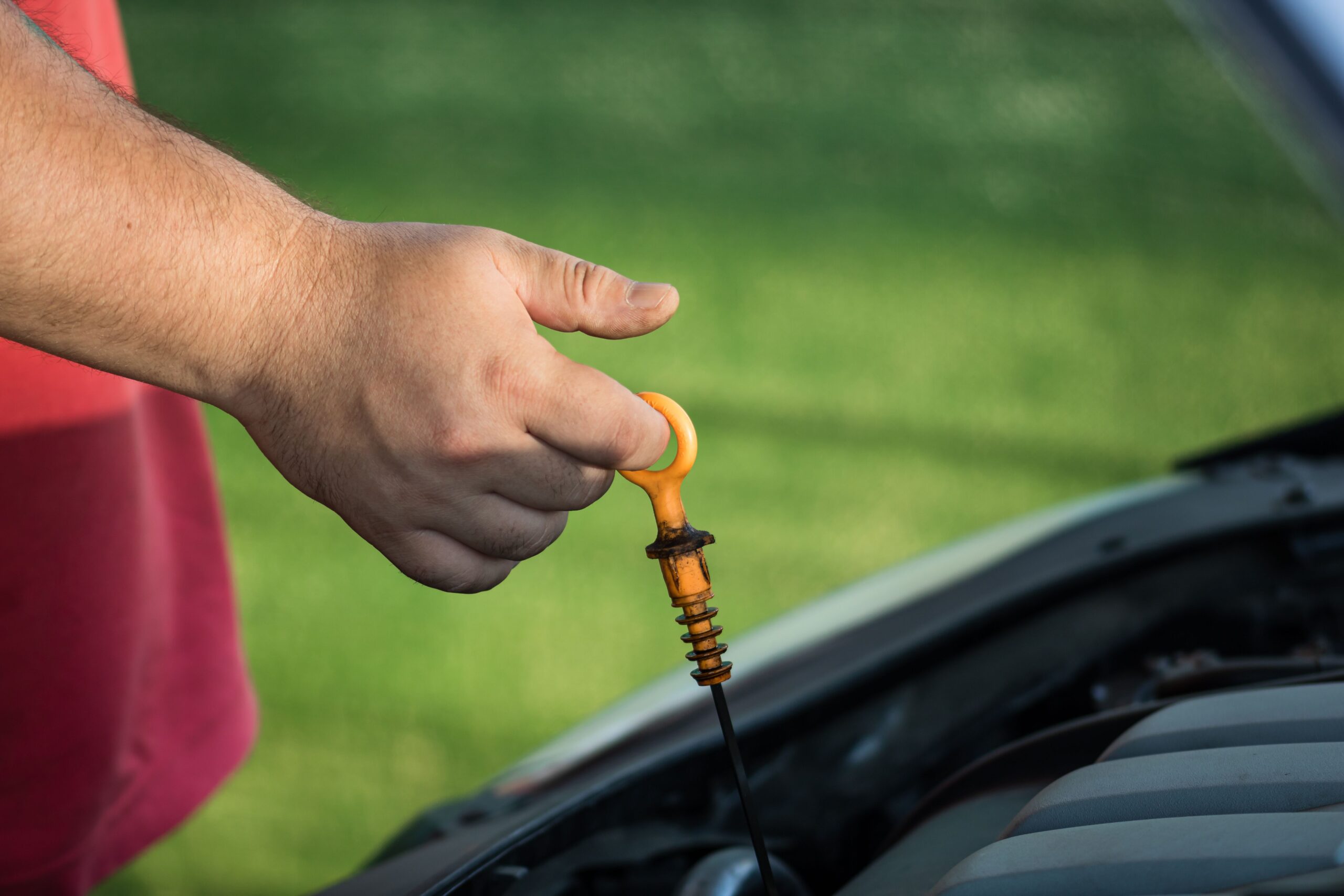
- Dark or dirty oil on the dipstick
- Engine noise or knocking
- Oil change or check engine light
- Decreased fuel efficiency
- Burning oil smell
If you notice any of these, don’t wait. Addressing the issue early can prevent major engine damage.
What Happens If You Wait Too Long?
Ignoring how often should you change your oil can lead to serious problems.
As oil degrades:
- It thickens and turns into sludge
- Engine parts experience increased friction
- Heat builds up, causing damage
- Components wear out faster
Eventually, this can lead to engine failure, which is one of the most expensive repairs a vehicle can face.
Regular oil changes are one of the simplest and most cost-effective ways to protect your investment.
Conventional vs. Synthetic Oil: Does It Matter?
Absolutely. The type of oil you use plays a major role in determining how often should you change your oil.
Conventional Oil
- Lower cost
- Shorter lifespan
- Best for older vehicles or light driving
Synthetic Oil
- Longer-lasting
- Better performance in extreme temperatures
- Improved engine protection
While synthetic oil costs more upfront, it often pays off in the long run by extending oil change intervals and reducing engine wear.
How Often Should You Change Your Oil for Different Drivers?
To make things easier, here’s a general breakdown based on driving style:
Light Driving (Highway, consistent speeds)
- Every 7,500 to 10,000 miles
Moderate Driving (Mixed city/highway)
- Every 5,000 to 7,500 miles
Severe Driving (Short trips, towing, extreme weather)
- Every 3,000 to 5,000 miles
These are guidelines, but they give you a solid starting point when deciding how often should you change your oil.
The Role of Oil Change Reminders
Modern vehicles often include oil life monitoring systems that track your driving habits and alert you when it’s time for a change.
These systems are generally more accurate than mileage-based estimates alone, making them a reliable tool in determining how often should you change your oil.
However, they’re not foolproof. It’s still a good idea to visually check your oil and stay aware of your vehicle’s performance.
DIY vs. Professional Oil Changes
Some drivers prefer to change their oil themselves, while others rely on professional service.
DIY Oil Changes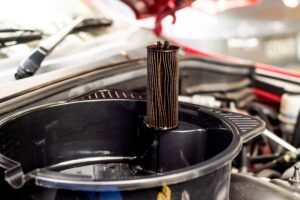
- Lower cost
- Requires tools and proper disposal of oil
- Risk of improper installation
Professional Oil Changes
- Quick and convenient
- Includes inspection of other components
- Ensures proper oil type and filter
Having a professional handle your oil change can also help catch small issues before they become major problems.
Building a Maintenance Routine
Understanding how often should you change your oil is just one piece of the puzzle. Staying consistent with all routine maintenance is key to keeping your vehicle reliable.
Pair your oil changes with:
- Tire rotations
- Brake inspections
- Fluid checks
- Filter replacements
This approach helps maximize your vehicle’s lifespan and performance.
Final Thoughts
There’s no one-size-fits-all answer to how often should you change your oil, but with the right knowledge, you can make the best decision for your vehicle.
By considering your driving habits, environment, and oil type, you can stay ahead of maintenance and avoid costly repairs. Regular oil changes aren’t just routine—they’re essential to keeping your car running safely and efficiently for years to come.
If you’re unsure about your ideal oil change interval or just want peace of mind that everything is running as it should, having your vehicle looked at by a trusted professional can make all the difference. When you’re ready to schedule service or have questions, contact us for our Roseville location here and Arden Hills location here and we’ll be happy to help keep your vehicle in top shape.
Further Reading
- AAA – Oil Change Guide
https://exchange.aaa.com/automotive/auto-repair/oil-change/ - Consumer Reports – How Often to Change Oil
https://www.consumerreports.org/cars/car-maintenance/how-often-to-change-oil/ - Edmunds – Oil Change Intervals Explained
https://www.edmunds.com/car-maintenance/stop-changing-your-oil.html