The Surprising Reasons Why Is My Car Shaking When I Drive?
If you’ve ever been driving down the road and suddenly noticed your vehicle vibrating, rattling, or shaking, it’s natural to become concerned. Many drivers ask the same question: why is my car shaking when I drive? While the answer can vary depending on the symptoms, vehicle shaking is usually a sign that something isn’t functioning properly.
Sometimes the cause is relatively minor, such as an unbalanced tire. Other times, it can point to a more serious issue involving your brakes, suspension, steering system, or drivetrain. Understanding the possible causes can help you address the problem before it becomes more expensive or affects your safety.
Unbalanced Tires Are One of the Most Common Causes
One of the first things technicians check when a customer asks, “why is my car shaking when I drive?” is the condition of the tires and wheels.
Tires naturally wear over time, and even a slight imbalance can create noticeable vibrations. These vibrations are often most noticeable at highway speeds and may become stronger as your speed increases.
Common symptoms of unbalanced tires include:
- Steering wheel vibration
- Shaking that increases with speed
- Uneven tire wear
- Reduced ride comfort
Fortunately, tire balancing is often a relatively simple service that can restore a smooth ride.
Wheel Alignment Problems Can Cause Vibration
Your vehicle’s alignment affects how your tires contact the road. If the wheels are not properly aligned, you may experience pulling, uneven tire wear, and shaking while driving.
Minnesota roads can be tough on vehicle alignments. Potholes, rough pavement, and seasonal freeze-thaw cycles can all knock your alignment out of specification.
Signs of an alignment problem include:
- Vehicle pulling left or right
- Crooked steering wheel
- Uneven tread wear
- Vibration while driving
If you’re wondering why is my car shaking when I drive after hitting a pothole, an alignment issue may be to blame.
Damaged Tires Can Create Serious Vibrations
Sometimes the tire itself is the problem.
Internal tire damage, separated belts, sidewall bulges, or uneven wear can all cause shaking. In some cases, tire damage may not be obvious until the vehicle reaches higher speeds.
Warning signs include:
- Bulges in the tire
- Cupped or uneven tread wear
- Persistent vibration
- Tire noise
A damaged tire should be inspected promptly to prevent a potential blowout.
Bent Wheels Can Affect Ride Quality
Minnesota drivers are no strangers to potholes. Unfortunately, a hard impact can bend a wheel.
Even a slightly bent wheel can create noticeable shaking. Unlike tire imbalance, wheel damage often persists even after balancing.
A bent wheel may cause:
- Steering wheel vibration
- Tire pressure loss
- Uneven tire wear
- Poor handling
Professional inspection is usually necessary to confirm wheel damage.
Brake Problems Can Cause Shaking While Slowing Down
If the shaking only occurs when you apply the brakes, the braking system may be responsible.
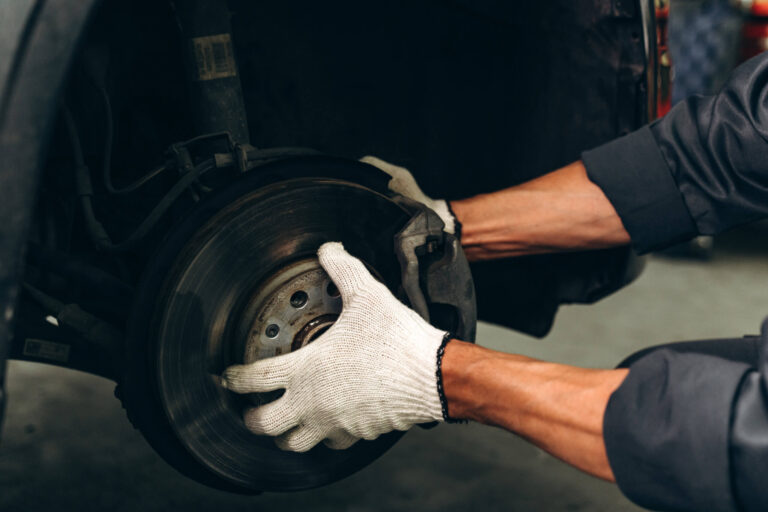
Warped brake rotors are one of the most common causes of vibration during braking. As the brake pads press against uneven rotor surfaces, you may feel shaking through the steering wheel or brake pedal.
Common brake-related symptoms include:
- Steering wheel vibration when braking
- Pulsating brake pedal
- Reduced braking performance
- Grinding or squealing noises
Brake issues should always be addressed quickly because they directly affect your ability to stop safely.
Suspension Problems Can Lead to Vehicle Shaking
Your suspension system absorbs bumps and helps maintain tire contact with the road.
As suspension components wear out, your vehicle may begin to shake, bounce, or feel unstable.
Common worn suspension components include:
- Shocks
- Struts
- Ball joints
- Control arms
- Bushings
Drivers often ask why is my car shaking when I drive over rough roads or bumps. In many cases, worn suspension parts are the culprit.
Steering System Wear Can Create Vibrations
The steering system and suspension work together to keep your vehicle stable and controllable.
Worn steering components can cause:
- Loose steering feel
- Vehicle wandering
- Steering wheel vibration
- Uneven tire wear
Components such as tie rods and steering linkage parts can gradually wear over time and create noticeable shaking.
Axle and CV Joint Issues
If the vibration occurs during acceleration, the problem may involve your axle or CV joints.
Front-wheel-drive vehicles rely on CV joints to transfer power while allowing suspension movement. As these joints wear out, they can cause significant vibrations.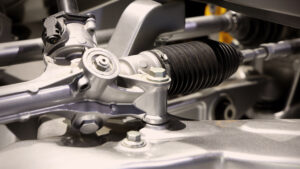
Signs include:
- Clicking noises when turning
- Vibration during acceleration
- Torn CV boots
- Grease around wheels
Ignoring CV joint problems can eventually lead to complete joint failure.
Engine Problems Can Cause Shaking
Not every vibration originates from the wheels or suspension.
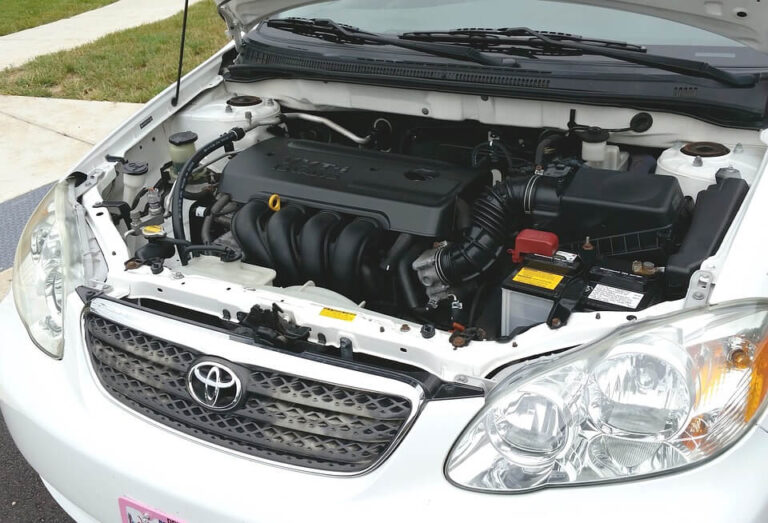
Sometimes the answer to why is my car shaking when I drive lies under the hood.
Engine-related causes include:
- Worn spark plugs
- Faulty ignition coils
- Fuel delivery problems
- Vacuum leaks
When an engine misfires, vibrations can often be felt throughout the entire vehicle.
Failing Motor Mounts Can Increase Vibration
Motor mounts secure the engine to the vehicle’s frame and absorb normal engine movement.
When motor mounts wear out, you may notice: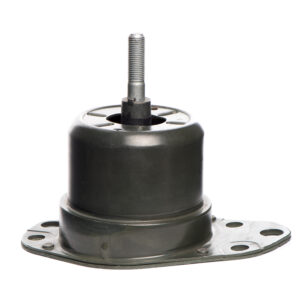
- Excessive vibration at idle
- Clunking noises
- Increased engine movement
- Rougher driving experience
Failing mounts can make even a properly running engine feel rough.
Why You Shouldn’t Ignore Vehicle Shaking
Many drivers continue driving while hoping the vibration will go away. Unfortunately, vehicle shaking usually gets worse rather than better.
Ignoring the issue can lead to:
- Increased tire wear
- Suspension damage
- Brake problems
- Reduced fuel efficiency
- Higher repair costs
Addressing the issue early is often the most affordable solution.
How to Prevent Vehicle Shaking
Routine maintenance goes a long way toward preventing vibration-related issues.
Helpful services include:
- Regular tire rotations
- Wheel balancing
- Alignment inspections
- Brake inspections
- Suspension evaluations
Keeping up with these services can help your vehicle remain safe, comfortable, and reliable.
Conclusion
If you’ve been asking yourself, “why is my car shaking when I drive?” there are several possible causes ranging from simple tire issues to more serious concerns involving your brakes, suspension, steering system, or drivetrain. The key is identifying the source of the vibration before it leads to additional wear or more costly repairs.
Whether your vehicle shakes at highway speeds, during braking, or while accelerating, it’s important to have the problem diagnosed by an experienced technician. If you’d like help determining the cause of your vehicle’s vibration, contact us here for our Roseville location or contact us here for our Arden Hills location. Our team can perform a thorough inspection and help keep your vehicle driving safely and smoothly.
Further Reading
- AAA Car Care: https://exchange.aaa.com/automotive/
- Consumer Reports Vehicle Maintenance: https://www.consumerreports.org/cars/car-maintenance/
- Bridgestone Tire Education Center: https://www.bridgestonetire.com/learn/
- Firestone Complete Auto Care Maintenance Tips: https://www.firestonecompleteautocare.com/blog/