Essential Guide to Winter Brake Repair in Minnesota: Why Cold Weather Ages Pads Faster
Minnesota winters are known for their bitter temperatures, thick ice, and corrosive road salt. While drivers expect winter to challenge their engines, tires, and batteries, many underestimate the toll subzero conditions take on their braking systems. If you want to stay safe through months of ice-covered streets and freezing commutes, understanding the importance of brake repair during Minnesota winter is essential.
This comprehensive guide explains why cold weather ages brake pads faster, how the environment affects the entire braking system, and what preventative steps you can take to minimize wear and avoid costly emergency brake repair. Whether you drive through Roseville, Shoreview, or anywhere in the Twin Cities, these insights will help keep you safe on the road all winter long.
Why Cold Weather Accelerates Brake Wear in Minnesota
When temperatures plunge, several forces work together to increase brake wear. Understanding these winter-specific stressors will help you identify issues early and schedule brake repair before the damage worsens.
1. Brake Materials Harden in Extreme Cold
Brake pads are made from friction materials engineered to operate within a specific temperature range. In harsh Minnesota winter temperatures, these materials become denser and harder. When this happens, your brakes require more pedal pressure to create the same stopping power, and this increases the stress on both pads and rotors.
Over time, this added stress makes brake repair more likely as components wear down unevenly or glaze over from the additional friction.
2. Road Salt Accelerates Corrosion
Minnesota uses tremendous amounts of road salt to keep highways and neighborhood streets ice-free. While salt makes winter driving safer, it also accelerates corrosion on critical brake components, including:
-
Calipers
-
Brake lines
-
Brake rotors
-
Brackets and mounting hardware
When corrosion spreads, it can cause calipers to seize, rotors to rust prematurely, and brake lines to weaken. This dramatically increases the need for brake repair during a season already known for mechanical failures.
3. Moisture Freezes Inside Brake Components
Moisture naturally collects in a vehicle’s braking system over time. In winter, this moisture can freeze inside hoses, calipers, and around hardware. Frozen moisture causes expansion and contraction that weakens metal, increases stiffness, and can even crack rubber components.
This kind of internal wear is subtle and often goes unnoticed until a driver suddenly needs emergency brake repair—usually during the first major cold snap.
4. Increased Stop-and-Go Driving on Slippery Roads
Winter driving requires more caution. Snow, slush, and ice force drivers to brake earlier, brake more often, and brake more gently—all of which can increase overall wear on the system.
Even though these stops might feel softer, they add up. Over a full Minnesota winter, the cumulative wear often results in the need for seasonal brake repair to ensure the system stays reliable.
The Hidden Impact of Minnesota Winter on Brake Rotors
Many drivers focus solely on pads, but rotors suffer significantly during winter as well. Cold weather makes rotors more brittle, and when combined with road salt, corrosion begins earlier and spreads faster. Warped rotors are far more common after months of temperature fluctuations, pothole impacts, and constant moisture infiltration.
These rotor issues often lead to: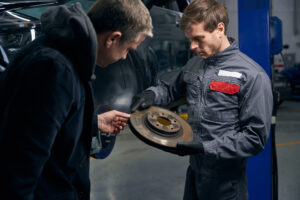
-
Pulsating brakes
-
Steering wheel vibration
-
Loud grinding
-
Reduced stopping efficiency
If left untreated, you’ll almost certainly need brake repair—and in many cases, both pads and rotors must be replaced together.
Why Minnesota Drivers Should Never Ignore Early Brake Symptoms
Even minor brake symptoms in winter can escalate rapidly. Because cold temperatures hide certain warning signs, you may not notice deterioration until it becomes severe. If you spot any of these issues, it’s time to schedule brake repair right away:
- Grinding noises
- Soft or spongy brake pedal
- Increased stopping distance
- Pulling to one side
- Vibrations while braking
- Warning light on the dashboard
Minnesota drivers often delay inspections because winter conditions feel “normal”—but waiting too long can lead to costly and dangerous failures.
How to Extend Brake Life During Minnesota Winter
While cold temperatures and road salt are unavoidable, you can significantly extend the life of your brake system by taking a few proactive steps.
1. Schedule Preventative Brake Inspections Early in the Season
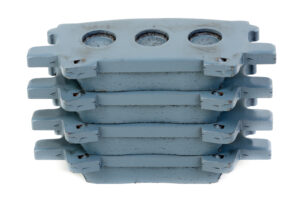 Before temperatures plunge, have a technician check:
-
Pad thickness
-
Rotor condition
-
Brake fluid moisture level
-
Caliper mobility
-
Hardware corrosion
Catching a problem early is the easiest way to avoid emergency brake repair in the heart of winter.
2. Wash Under Your Vehicle Frequently
Salt buildup is one of the leading causes of winter brake failure. Regular undercarriage washes help prevent corrosive salt from eating through lines, brackets, and calipers. It’s especially important after major storms.
3. Use Gentle Braking Whenever Possible
Hard braking on icy roads can overheat pads and damage rotors. Instead, apply smooth, steady pressure and leave plenty of following distance. This reduces unnecessary brake repair throughout the season.
4. Keep Tires Properly Inflated
Tire pressure drops in cold weather. Underinflated tires increase stopping distance and put extra stress on your brakes. With proper tire pressure, your braking system works more efficiently and experiences less wear.
5. Replace Brake Fluid When Needed
Brake fluid absorbs moisture over time, and absorbed water can freeze in subzero temperatures. Fresh fluid reduces the risk of winter-related brake failure and minimizes the likelihood of needing unexpected brake repair.
Why Professional Brake Repair Improves Winter Safety
Some drivers attempt to diagnose or repair brakes at home. In mild climates this may be sufficient, but in Minnesota’s extreme winter conditions, professional brake repair is essential.
Certified technicians can:
-
Detect corrosion the average driver never sees
-
Identify internal moisture issues
-
Measure rotor runout and pad wear precisely
-
Test brake line integrity
-
Ensure the system performs reliably in subzero temperatures
With icy roads, limited visibility, and unpredictable conditions, winter driving demands a fully optimized braking system. Professional brake repair ensures your vehicle is ready.
Long-Term Consequences of Delaying Brake Repair in Winter
Ignoring brake issues during Minnesota winter can lead to:
-
Total brake failure
-
Much more expensive repairs in spring
-
Damaged rotors
-
Seized calipers
-
Compromised brake lines
-
Loss of ABS performance
Aside from the mechanical risks, delaying brake repair is a serious safety hazard. With winter being the most dangerous driving season in Minnesota, maintaining your car’s stopping power should be a top priority.
How Brausen Auto Helps Minnesota Drivers Stay Safe All Winter
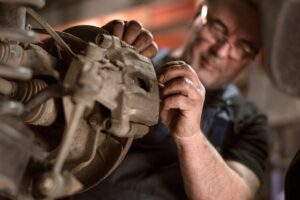
At a trusted local shop like Brausen Auto, technicians understand the unique demands that cold-weather driving places on vehicles. Their winter brake repair process includes:
-
Full multi-point brake inspection
-
Condition check of pads, rotors, and calipers
-
Brake fluid testing and replacement if necessary
-
Professional rotor resurfacing or replacement
-
Expert pad installation with winter-ready materials
-
Hardware cleaning and lubrication
-
Corrosion inspection and protection
This comprehensive approach ensures your braking system performs at peak reliability throughout the coldest months.
Conclusion: Make Brake Repair a Priority Before Minnesota Winter Hits
Minnesota winters are harsh, unpredictable, and tough on your vehicle. Cold temperatures, corrosive salt, frozen moisture, and increased stop-and-go driving all take a toll on brake components. By making brake repair a priority early in the season, you protect your safety, avoid emergency breakdowns, and extend the life of your entire braking system.
A little preparation goes a long way—and it’s the best way to ensure your car is ready for whatever winter throws your way. Click here to schedule your brake inspection at our Arden Hills location, click here to schedule your brake inspection at our Roseville location.
Further Reading
-
Wagner Brake — Can Winter Weather Cause Brake Noise? Wagner Brake
-
AutoNation Mobile Service — How Cold Weather Affects Your Brake Fluid AutoNation Mobile Service
-
Hillside Auto Repair — Servicing Your Brakes in Cold Weather Hillside Auto Repair
-
ShunAuto — Weather’s Impact on Car Brakes ShunAuto+1
-
Dynamic Friction — How to Prevent Brakes Freezing Up in Cold Weather Blog | Dynamicfriction.com
-
Gauge Magazine — How Weather Affects the Performance of Car Brake Parts gaugemagazine.com
-
AAA — Winter Car Care Checklist (including brake inspection) exchange.aaa.com+1