
Ultimate Guide to Oil Changes: Protect Your Engine Health
Your vehicle’s engine is the heart of your car, and keeping it healthy is essential for long-term performance and reliability. One of the most important aspects of engine maintenance is regular oil changes. Oil lubricates engine components, reduces friction, prevents wear, and helps maintain optimal engine temperature. Without proper attention to oil maintenance, your engine could suffer serious damage, leading to costly repairs or even complete engine failure. In this guide, we’ll explain why oil changes are crucial, how to know when your car needs one, and tips for maintaining a healthy engine.
Why Oil is Vital for Engine Health
Engine oil serves multiple critical functions:
-
Lubrication
Oil creates a protective layer between moving engine parts, reducing friction and preventing metal-on-metal contact. Without sufficient lubrication, parts can wear prematurely, causing performance issues and expensive repairs. -
Cooling
As your engine runs, heat builds up. Oil helps carry heat away from critical components, keeping the engine temperature stable and preventing overheating. -
Cleaning
Oil captures dirt, debris, and metal particles that accumulate in the engine. Over time, these contaminants can cause sludge buildup if the oil isn’t changed regularly. -
Protection Against Corrosion
Engine oil contains additives that prevent rust and corrosion on internal parts. Old, dirty oil loses its protective qualities, leaving your engine vulnerable. -
Efficiency and Performance
Fresh oil reduces friction, improves fuel efficiency, and ensures smooth engine operation. A well-maintained engine runs more efficiently, saving you money and extending the vehicle’s lifespan.
Regular oil changes are essential to ensure that oil continues performing these critical functions and keeping your engine in peak condition.
Signs Your Vehicle Needs an Oil Change
While most manufacturers recommend changing oil every 3,000 to 7,500 miles depending on your car and oil type, several signs indicate it’s time for a change:
-
Check Engine or Oil Light Illuminates
If your dashboard shows the oil or check engine light, your oil may be low, dirty, or ineffective. Immediate attention is required to prevent engine damage. -
Dark or Dirty Oil
Fresh oil is typically amber in color. If your oil appears dark, gritty, or sludgy, it’s time for a change. -
Unusual Engine Noises
Excessive engine noise or knocking can be caused by insufficient lubrication, signaling a need for an oil change. -
Excessive Exhaust Smoke
Thick smoke from the tailpipe can indicate old or degraded oil that is no longer protecting your engine properly. -
Oil Smell Inside the Vehicle
A strong oil smell in the cabin may indicate leaks or overheating oil, which warrants inspection and replacement. -
Long Time Since Last Oil Change
If you can’t recall the last oil change, it’s safer to replace it. Old oil loses viscosity and effectiveness over time, reducing engine protection.
Types of Motor Oil
Understanding the types of motor oil available can help you make informed decisions during oil changes: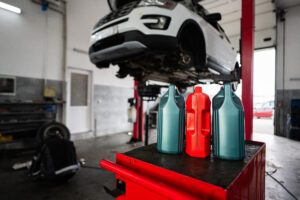
-
Conventional Oil
Standard petroleum-based oil suitable for older vehicles or those with simple engine designs. Requires more frequent changes. -
Synthetic Oil
Enhanced formulation that provides better protection, performance, and longevity. Ideal for modern engines and extreme temperatures. -
Synthetic Blend Oil
A mix of conventional and synthetic oils, offering some of the benefits of synthetic at a lower cost. -
High-Mileage Oil
Specially formulated for vehicles with over 75,000 miles, containing additives to reduce leaks and protect aging engines.
Choosing the right type of oil for your vehicle ensures proper lubrication, reduces wear, and maximizes engine life.
Benefits of Regular Oil Changes
-
Prevent Engine Wear and Damage
Fresh oil maintains proper lubrication, preventing friction-related wear and protecting engine components. -
Improve Fuel Efficiency
Clean oil reduces internal friction, allowing the engine to run smoothly and efficiently, saving on fuel costs. -
Reduce Emissions
Old or dirty oil increases engine strain and emissions. Regular oil changes help your car run cleaner. -
Extend Engine Life
Engines with properly maintained oil last longer, reducing the risk of premature failure and costly repairs. -
Maintain Warranty Compliance
Many vehicle warranties require regular oil changes. Staying on schedule ensures you remain eligible for coverage.
How Often Should You Change Your Oil?
The frequency of oil changes depends on several factors:
-
Vehicle Manufacturer Recommendations
Check your owner’s manual for the manufacturer’s recommended intervals. Modern vehicles often allow for 5,000–7,500 miles between changes. -
Driving Conditions
Frequent short trips, stop-and-go traffic, extreme temperatures, or towing can shorten oil life. Under these conditions, more frequent changes may be needed. -
Oil Type
Conventional oil typically requires changes every 3,000–5,000 miles, while synthetic oil can last 7,500–10,000 miles or more. -
Vehicle Age and Engine Type
Older engines or high-performance vehicles may require more frequent oil changes to maintain optimal engine health.
When in doubt, consult a certified technician for guidance based on your specific vehicle and driving habits.
DIY Oil Change vs. Professional Service
DIY Oil Change:
-
Can save money for experienced car owners.
-
Requires proper tools, oil, filter, and disposal of used oil.
-
Mistakes can cause engine damage if oil level or filter installation is incorrect.
Professional Oil Change:
-
Performed by trained technicians using the correct oil type and filter.
-
Ensures proper disposal of used oil and environmentally safe practices.
-
Often includes inspection of other key engine components.
Professional oil changes provide peace of mind, ensuring your engine remains protected and maintained according to manufacturer standards.
Additional Tips for Engine Health
- Check Oil Level Regularly
Even between oil changes, checking the oil level ensures your engine stays lubricated. - Monitor for Leaks
Oil leaks can lead to low levels and serious engine damage. Inspect your car periodically for signs of leakage. - Use Quality Oil Filters
High-quality filters remove contaminants more effectively, prolonging engine life. - Follow a Maintenance Schedule
Combine regular oil changes with other maintenance tasks, like air filter replacement and fluid checks, to keep your engine in top condition. - Address Warning Signs Immediately
Do not ignore engine noises, warning lights, or unusual performance. Early intervention can prevent costly repairs.
The Cost of Neglecting Oil Changes
Failing to perform regular oil changes can lead to:
-
Engine overheating or seizure
-
Increased friction and wear on internal parts
-
Sludge buildup, reducing efficiency and performance
-
Reduced fuel economy
-
Expensive repairs or engine replacement
Investing in regular oil changes is far less costly than repairing a damaged engine, making it one of the most important maintenance tasks for your vehicle.
Conclusion
Regular oil changes are essential for maintaining engine health, preventing wear, improving fuel efficiency, and extending the life of your vehicle. By understanding the signs that your car needs an oil change, selecting the right type of oil, and adhering to a maintenance schedule, you can protect your engine and avoid costly repairs.
If you want to keep your engine running smoothly and ensure your vehicle’s longevity, contact the experts at Brausen Auto. Our certified technicians provide professional oil changes and comprehensive maintenance services to keep your car performing at its best. To schedule your oil change and protect your engine health, click here for Roseville location, or click here for Arden Hills location.