Ice and Snow Driving Tips
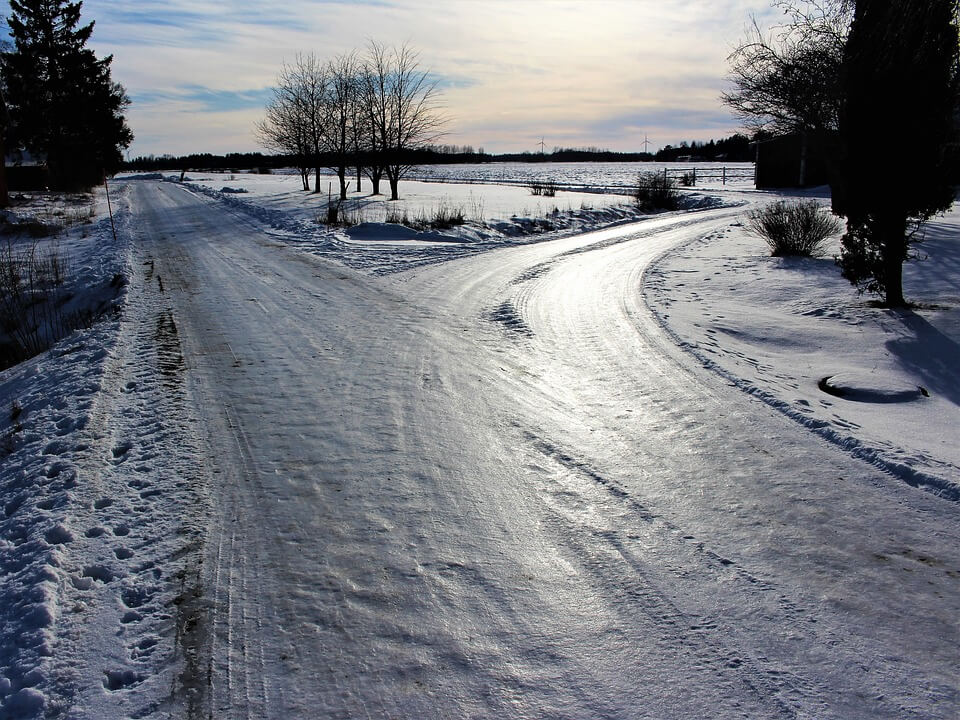 Driving on ice or snow-covered roads presents unique challenges that require careful consideration and adaptation of driving techniques. As winter descends and road conditions become more hazardous, it’s crucial to adopt safe driving practices to navigate through icy or snowy terrain effectively. Here are some essential tips to help you stay safe behind the wheel during these challenging conditions.
Slowing down your Speed
First and foremost, slow down and increase your following distance. Reduced speeds allow for better control and reaction time in case of unexpected hazards. It’s essential to drive well below the posted speed limit to adjust for slippery conditions. Keep a safe distance between your vehicle and others to provide ample space for braking and maneuvering, as stopping distances can significantly increase on icy roads. Gentle and gradual movements are key—accelerate, brake, and steer with caution to minimize the risk of skidding or losing traction. Abrupt actions can lead to loss of control, so smooth and deliberate actions are critical.
Take Curves Carefully
Secondly, adapt your driving technique to the prevailing conditions. When approaching corners or turns, brake before entering the curve and coast through it to maintain traction. Avoid sudden changes in direction or speed, as these can destabilize your vehicle on slippery surfaces. If you do find yourself skidding, remain calm and steer in the direction you want to go, without overcorrecting. Use lower gears when climbing hills or descending slopes to enhance control and prevent wheel spin. Additionally, be vigilant for black ice, which is transparent and hard to detect. Approach shaded areas, bridges, and overpasses with caution, as they are prone to icing.
Checking the Weather
Be prepared and stay informed before hitting the road. Check weather forecasts and road conditions, and if possible, postpone your trip if conditions are severe. Inform someone of your intended route and expected arrival time, especially if traveling through remote areas. Pack an emergency kit in your vehicle, including essentials such as blankets, non-perishable food, water, a flashlight, a first aid kit, a shovel, and materials like sand or kitty litter for traction. Remember, if conditions become too hazardous, it’s better to delay your journey or seek alternative routes than to risk your safety. By following these tips and exercising caution, you can navigate icy or snowy roads confidently and reduce the likelihood of accidents during the winter season.