Navigating Rainy Construction Zones: Essential Tips for Safe Driving
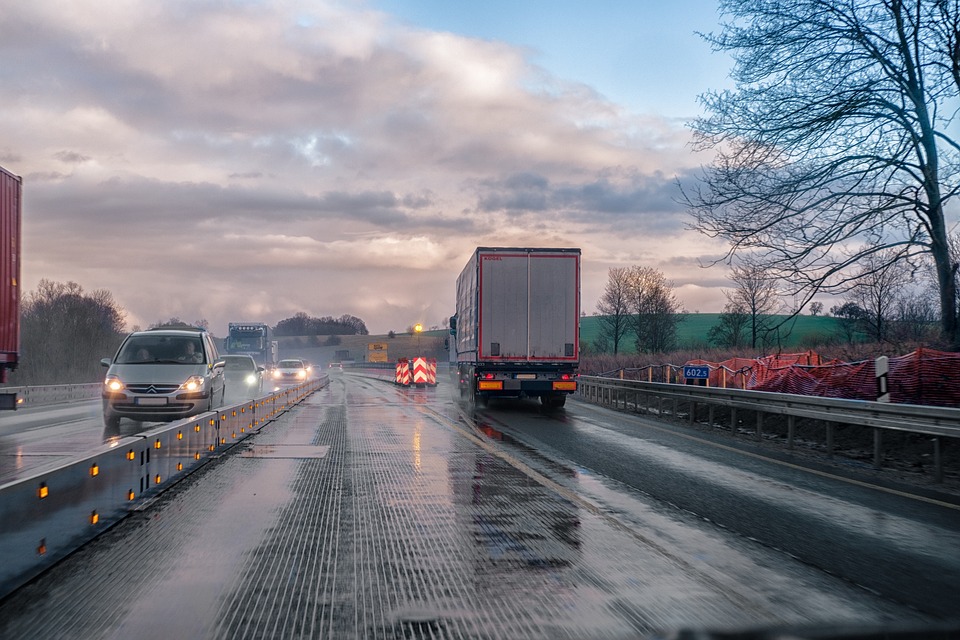
Driving in the rain is challenging enough, but when you add the complexity of a construction zone, the risks multiply. Wet conditions combined with road work can lead to dangerous situations if drivers are not careful. Here are essential tips to help you drive safely through construction zones during rainy weather.
1. Slow Down and Follow Posted Speed Limits
One of the most critical steps when driving through a construction zone in the rain is to reduce your speed. Construction zones have reduced speed limits to protect workers and account for changing road conditions. Wet roads decrease your vehicle’s traction, making it harder to stop quickly. Slowing down gives you more control and time to react to sudden changes.
2. Increase Your Following Distance
Maintaining a safe following distance is crucial in construction zones, and it’s even more important when it’s raining. Wet roads can double or triple your stopping distance. By increasing the space between you and the vehicle in front, you ensure you have enough time to stop if traffic suddenly slows or stops.
3. Use Headlights for Better Visibility
Rain reduces visibility, making it harder to see other vehicles, pedestrians, and construction workers. Always turn on your headlights in rainy conditions to improve your visibility and make your vehicle more visible to others. However, avoid using high beams as they can reflect off the rain and impair visibility further.
4. Stay Alert and Minimize Distractions
Distractions are hazardous in any driving scenario, but they can be deadly in construction zones during rain. Keep your focus on the road and avoid using your phone, eating, or engaging in any activity that takes your attention away from driving. Stay alert to the changing conditions and potential hazards, such as construction equipment and workers.
5. Navigate Puddles and Flooded Areas Carefully
Standing water in construction zones can hide potholes and uneven surfaces. If you cannot avoid driving through a puddle, do so slowly to reduce the risk of hydroplaning and damaging your vehicle. Never drive through deep or fast-moving water, as it can cause your car to stall or be swept away.
6. Adhere to Lane Changes and Detours
Construction zones often involve lane changes and detours, which can be confusing, especially in poor visibility. Follow all posted signs and markings carefully. If you are unsure, slow down and proceed with caution, ensuring you are in the correct lane before entering the construction area.
7. Prepare Your Vehicle
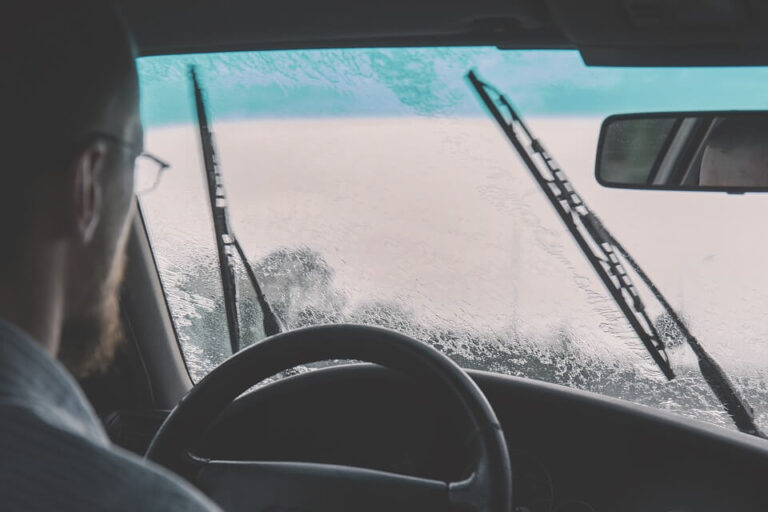
Ensure your vehicle is in good condition before driving in the rain through construction zones. Check your tires for adequate tread, inspect your windshield wipers for effectiveness, and make sure all your lights are functioning. These measures will enhance your safety by improving traction, visibility, and your ability to signal other drivers.
Driving in the rain through construction zones requires extra caution and preparedness. By reducing your speed, increasing your following distance, using your headlights, and staying alert, you can navigate these challenging conditions more safely. Regularly check the weather and plan your route to minimize exposure to construction zones whenever possible.
By adopting these practices, you can ensure a safer driving experience, even in the most challenging weather and road conditions. Stay cautious, remain focused, and drive responsibly to keep your journey smooth and safe.